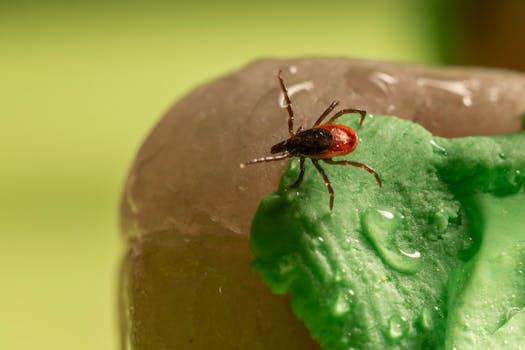
Are you losing sleep over unseen invaders? Whether it’s a persistent itch, unexplained animal distress, or even crop damage, parasites can wreak havoc. Understanding and implementing robust parasite management and control systems isn’t just about reacting to an infestation; it’s about proactive defense. This isn’t about magic bullets, but rather a well-thought-out strategy. Let’s break down how to build and maintain effective systems that keep these unwelcome guests at bay.
Decoding the Threat: Identification is Key
Before you can control something, you need to know what you’re dealing with. This might sound obvious, but it’s the most overlooked step in many parasite management and control systems. Identifying the specific parasite is crucial because different species require different control methods. A broad-spectrum approach can be ineffective and, worse, might harm beneficial organisms.
#### Spotting the Signs
Visual Cues: Look for physical signs. In livestock, this could be a dull coat, weight loss, diarrhea, or visible lesions. In plants, wilting, discolored leaves, or visible pests are red flags. For humans, symptoms can range widely from digestive issues to skin problems.
Behavioral Changes: Animals might exhibit restlessness, excessive grooming, or avoidance of certain areas. Plants might fail to thrive despite adequate care.
Environmental Clues: Damp, unhygienic conditions often signal a breeding ground for many parasites. Look for waste accumulation or standing water.
Diagnostic Testing: For definitive identification, especially in veterinary or agricultural settings, diagnostic tests are invaluable. Fecal exams, skin scrapings, or tissue samples can confirm the presence and type of parasite. I’ve seen too many cases where guesswork led to wasted time and resources; precise identification is paramount.
Building Your Defense: Prevention First, Always
The most effective parasite control is prevention. It’s far easier and more cost-effective to stop an infestation before it takes hold than to eradicate one. Think of it as building a fortress rather than fighting a siege.
#### Environmental Hygiene: The Foundation
Cleanliness is Non-Negotiable: Regularly clean and disinfect living spaces, feeding areas, and equipment. For animals, this means mucking out stalls, cleaning bedding, and ensuring water sources are pristine. For gardens, it involves removing fallen debris and sanitizing tools.
Waste Management: Proper disposal of waste is critical. Accumulated organic matter can be a breeding haven for flies, which in turn can spread parasites.
Ventilation and Sunlight: Good airflow and adequate sunlight can create less hospitable environments for many parasites. Damp, dark corners are their best friends.
#### Biosecurity Measures: Stopping Intruders at the Gate
Quarantine New Additions: Always isolate new animals or plants before introducing them to existing populations. This gives you time to observe them for any signs of parasites without risking widespread contamination.
Control Access: Limit access of unauthorized individuals or animals to sensitive areas. This reduces the risk of introducing parasites from external sources.
Sourcing Responsibly: Purchase livestock, plants, or even soil from reputable sources known for their pest and disease management practices.
Strategic Intervention: When Prevention Isn’t Enough
Despite best efforts, parasites can still find a way in. This is where targeted interventions come into play, forming the active arm of your parasite management and control systems.
#### Targeted Treatments: Precision Over Power
Understand Your Options: There’s a vast array of treatments available, from chemical antiparasitics to natural remedies. The key is to choose the one that is most effective against your identified parasite and safest for the host or environment.
Follow Dosage and Application Instructions: Overuse can lead to resistance, while underuse can be ineffective. Always adhere strictly to recommended protocols.
Rotate Treatments: If relying on chemical treatments, rotate the active ingredients periodically. This is a crucial strategy to prevent parasite resistance, a growing global concern. It’s interesting to note how quickly some parasites can adapt if we’re not diligent about rotation.
Consider Integrated Pest Management (IPM): IPM combines biological, cultural, physical, and chemical tools to manage pests effectively. It prioritizes less toxic methods and targets specific pests rather than broadly eliminating all insects.
#### Biological Control: Nature’s Allies
Beneficial Organisms: In some agricultural or garden settings, introducing natural predators or parasites of the target pest can be highly effective. For example, certain nematodes can target soil-dwelling grubs.
Encouraging Natural Predators: Creating an environment that supports birds, beneficial insects, or other natural enemies of parasites can provide a sustainable form of control.
Monitoring and Evaluation: The Cycle of Improvement
Effective parasite management and control systems are not static; they require ongoing vigilance and adaptation. Regular monitoring ensures your strategies are working and allows for prompt adjustments.
#### Regular Assessments: Staying Ahead of the Curve
Scheduled Checks: Implement a routine schedule for checking animals, plants, or environments for signs of parasites. This could be daily for high-risk situations or weekly for more routine monitoring.
Record Keeping: Maintain detailed records of parasite findings, treatments applied, and their effectiveness. This data is invaluable for identifying trends and refining your approach over time.
Environmental Monitoring: Pay attention to seasonal changes and environmental factors that might favor parasite proliferation.
#### Adapting Your Strategy: Continuous Refinement
Evaluate Treatment Efficacy: If a treatment isn’t working as expected, don’t just repeat it. Investigate why. Is it resistance? Incorrect application? Or perhaps a misidentification of the parasite?
Stay Informed: Parasites evolve. New strains can emerge, and resistance patterns can change. Stay updated on the latest research and best practices in parasite control relevant to your specific context.
Seek Expert Advice: Don’t hesitate to consult veterinarians, entomologists, agronomists, or other relevant professionals. Their expertise can be critical in developing and fine-tuning your management systems.
Wrapping Up
Establishing and maintaining effective parasite management and control systems boils down to a relentless commitment to hygiene, proactive identification, smart intervention, and continuous evaluation. It’s a holistic approach that prioritizes prevention but is prepared for intervention. The single most important action you can take is to never assume your current system is foolproof. Regularly reassess your environment and practices – it’s the bedrock of lasting control.